Craig and Sal Go Global
Munich and Oktoberfest
October 17, 2012
Staying in a 152-bed dorm full of Oktoberfest tourists, which isn’t a building but a huge circus-style tent. In a cold Munich autumn. Doesn’t sound like a great idea right?
The Tent was the only affordable accommodation option in Munich during Oktoberfest (and even so we still paid NZ$35 each per night). Believe it or not, the dorm was the “luxury” option – there was a tent where people paid a bit less to sleep on the floor. While it definitely wasn’t our favourite place to stay, it actually wasn’t as bad as it sounds! The bathrooms were kept clean and, with earplugs, we did manage to get some sleep.
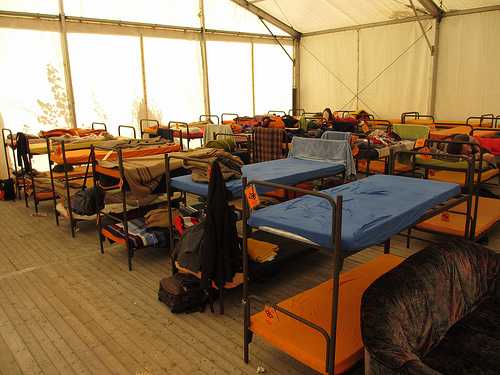
However, for the first time since South America, we were freezing cold! We’ve been following summer pretty well, but after three months in Europe the cold weather is starting to catch us up. Even with the three wool blankets we were given, our thermals and beanies, we were still cold overnight. Luckily we had sunny days which made it warm for wandering around the city.
Of course most of the tourists in Munich were there for Oktoberfest. It’s so busy that getting a table at Oktoberfest is a bit of a mission. We were only just able to find space for the two of us at midday but larger groups were heading off at 9:00am to secure a table! Once you’re seated, you have to stay put for the duration of the day or risk being shut out of the beer tents. No seat = no beer.
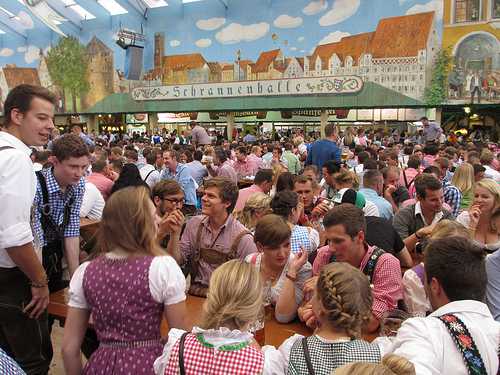
Here are some of the things we learnt about Oktoberfest. The festival began as an elaborate toast at a royal wedding in October. Free beer was given away, which was unsurprisingly popular, so the festival was later extended for two weeks (backwards into September, for the warmer weather). So Oktoberfest is mostly a Septemberfest. It is now the world’s largest fair with well over six million visitors each year.
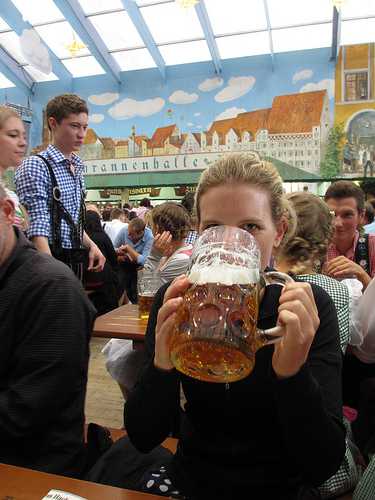
This year, just under seven million litres of beer were consumed (equivalent to 2.75 Olympic swimming pools full). The resultant beer munchies led to the consumption of 116 oxen and 57 calves. That’s a lot of calories in two weeks! We found our spot in the Hacker-Festzelt tent. It is one of the largest tents, with a decorated faux-sky ceiling and room for 6,900 patrons!
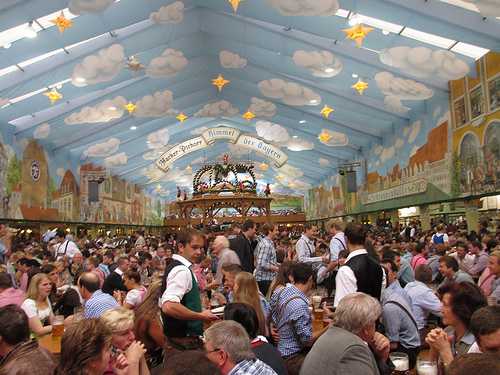
Every table at Oktoberfest is crammed full, so you’re guaranteed to have lots of people to talk to. We were seated with a bunch of Munich locals and a couple of Frenchmen. The Frenchmen were convinced that all New Zealanders are crazy, assuming that we’re always either bungy-jumping or dodging volcanic eruptions. Nothing we said would convince him otherwise!
The beer doesn’t come cheap, at 10 euro each, but at least it comes large – in a one litre mug. The six Munich breweries are the only breweries allowed to supply the festival and they each brew a special beer with a legally mandated minimum of 6% alcohol! The beer was fantastic – clear, crisp, smooth and flavourful.
The 10 euro includes a tip for the wait staff, who are a famous part of the festival. One waiter we saw was carrying 12 litres of beer! We were told that some waiters and waitresses take their annual holidays to work during Oktoberfest, where they can make thousands of euros in just two weeks.
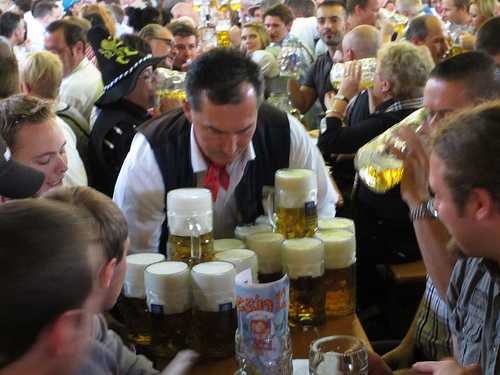
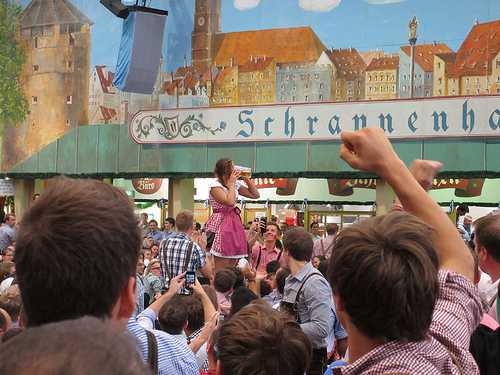
In the early afternoon, the atmosphere is more family-friendly than you’d think. There were plenty of families enjoying the festival and not too many signs of overindulgence. That said, from early in the day, keen drinkers would stand up on their benches to publicly scull their whole one-litre beer. This is a major spectator sport in the beer tent – those who could finish their beer quickly were cheered while those who were slow (or, worse still, paused) were booed.
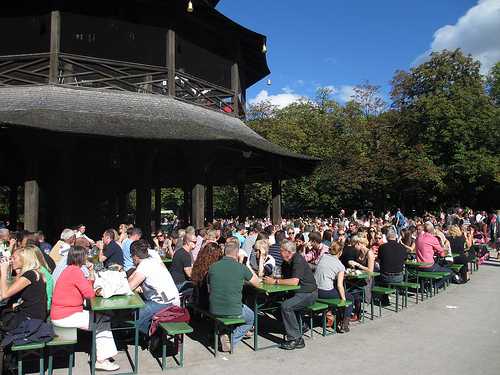
While it was fun seeing Oktoberfest, we actually spent more time at Munich’s traditional beer gardens where the atmosphere is more relaxed (and the beer is substantially cheaper). The beer gardens are a great concept, which we’d love to see in Wellington (well, maybe if the weather was better). In the gardens you’re allowed to bring your own food and stay as long as you want, while enjoying the excellent beer. The reason for this arrangement is traditional. Beer gardens were laid out beneath chestnut trees which had been planted to shade the cellars in which beer was stored. Breweries were allowed to serve beer straight from the cellars, but they were prohibited from serving food (to protect local restaurants). By the time we left Munich, we had tried beer from four of the six city breweries.
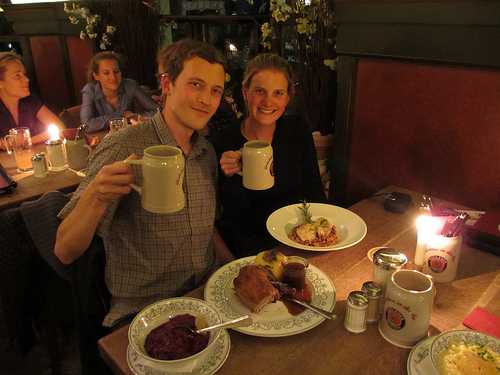
While you can get food at the festival and beer gardens, it tends to be a fast-food version of Bavarian cuisine. We weren’t too impressed by Bavarian food until we went to a great local restaurant with Craig’s cousin Sarah, who lives near Munich. Between us we tried mushroom dumplings, roast duck and dessert dumplings with white chocolate. We had a great catch up over a delicious dinner.
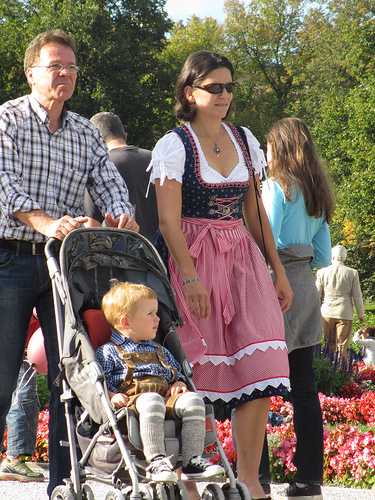
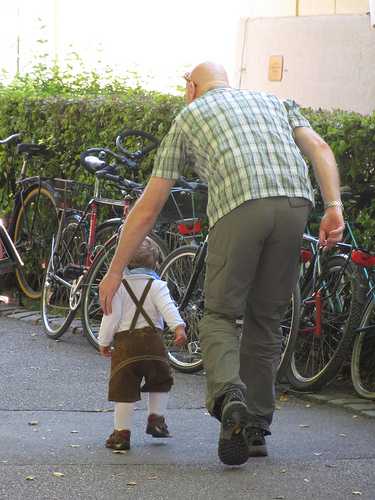
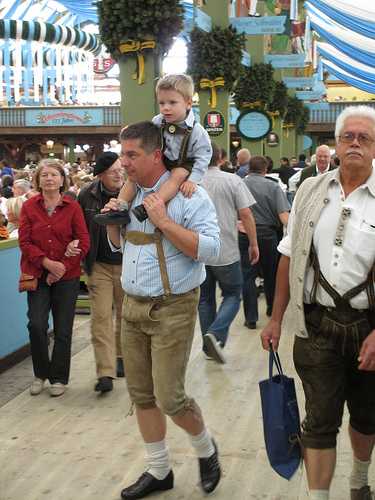
One of our favourite things about being in town during Oktoberfest was all the traditional Bavarian dress on display. We didn’t realise, but traditional clothing is still worn often in Bavaria – for weddings, events and even just on regular Sundays. It was cool seeing whole German families dressed up for a day out. The cutest sight was kids in lederhosen, which we decided to call ‘Toddlerhosen’:
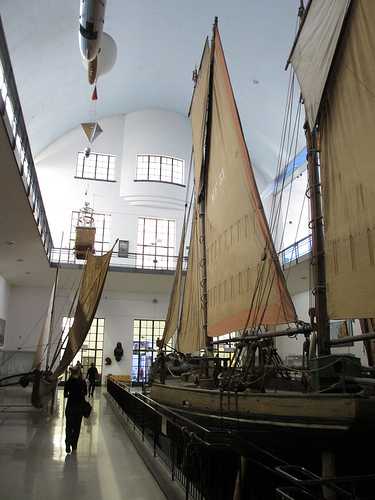
Munich has a fantastic technology museum - the Deutsches Museum. We only had a couple of hours here but wished we could have had longer. We tried to stay right up to the 5pm closing time, but with German efficiency the exhibits and lights were shut off 15 minutes early and the staff started herding us out. We got to the exit at 5:00:15pm and joined a line of employees clocking out for the day!
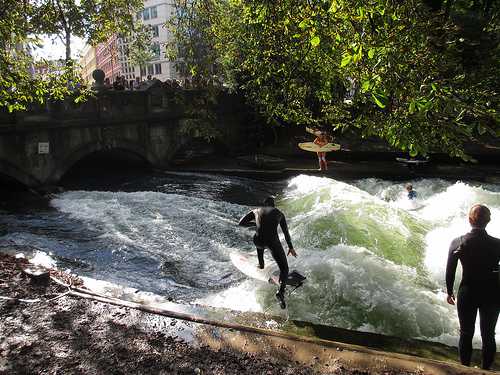
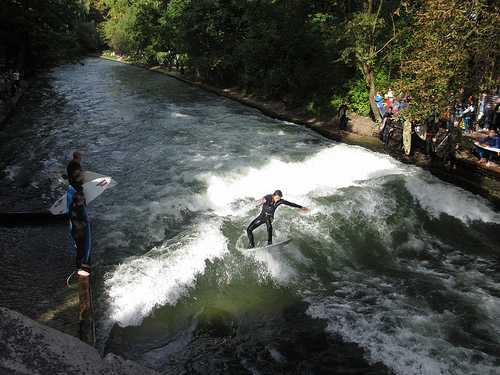
Munich has a large urban park (bigger even than Central Park, NYC) which has a permanent wave caused by a fast flowing river. A bunch of surfers were taking turns to ride the wave before being washed down the river. Very cool and unusual to see surfing in the middle of a big city!
Seven litres of beer, two huge pretzels, a plate of Kaesespatzn, a portion of duck, plenty of dumplings and a few sausages later we left Munich.
Our next train is bound for a small town just out of Innsbruck, Austria. The hostel we’ve booked looks amazing, and we’re going from a 152-bed dorm to a hostel that has just 12 beds in total. Prost! (i.e. Cheers!)

Written by Craig Drayton and Sally Robertson